
BİZİ ARAYIN
+90 232 374 51 65
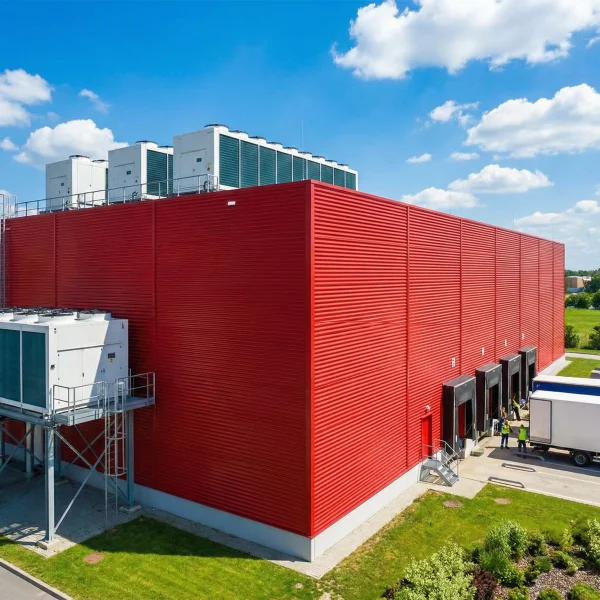
Sandwich panel systems offer both technical and economic advantages, especially for industrial buildings and projects seeking fast construction solutions. The main reason they are preferred in roof and façade applications is their ability to combine high thermal insulation, fast installation, and long service life within a single system. A correctly selected sandwich panel improves the building’s energy performance and reduces operating costs by lowering heating and cooling expenses. Therefore, when selecting sandwich panels, it is important to evaluate not only the price but also the technical criteria that match the specific needs of the project.
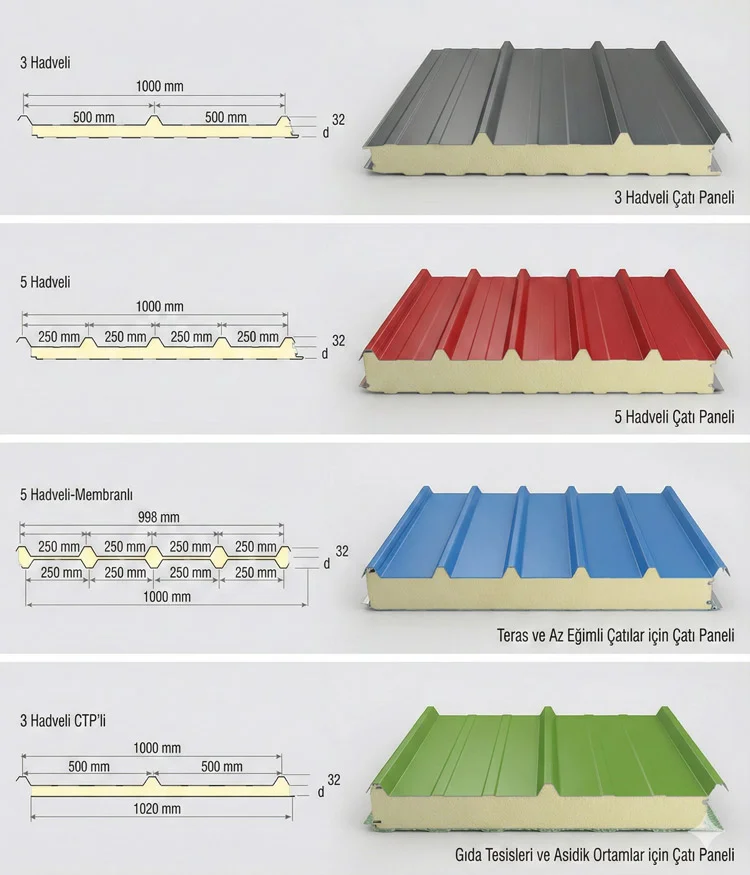
On a project basis, panel thickness, outer steel sheet thickness, coating type, and core material selection (PUR, PIR, EPS, mineral wool) directly determine performance. For example, in cold storage panels, joint details that minimize thermal bridges and provide high insulation values are prioritized, while in areas requiring fire resistance, mineral wool or appropriately classified PIR core solutions stand out. In addition, sealing tapes, fastener points, and overlap details used at the joints of sandwich panels control water, air, and vapor permeability, reducing the risk of condensation. This extends the service life of the panel system and increases indoor comfort.
In sandwich panel applications, installation quality is just as critical as the product itself. Proper planning of purlin spacing, selection of suitable fastening elements, and post-installation detail inspections ensure the performance of roof and façade systems. From a maintenance perspective, periodic fastener inspections, cleaning of gutters and drainage channels, and renewal of damaged sealing areas help maintain the durability of the panel system. As a result, sandwich panels provide a fast, safe, and energy-efficient building envelope solution for warehouses, factories, workshops, hangars, sports halls, and cold chain facilities.